
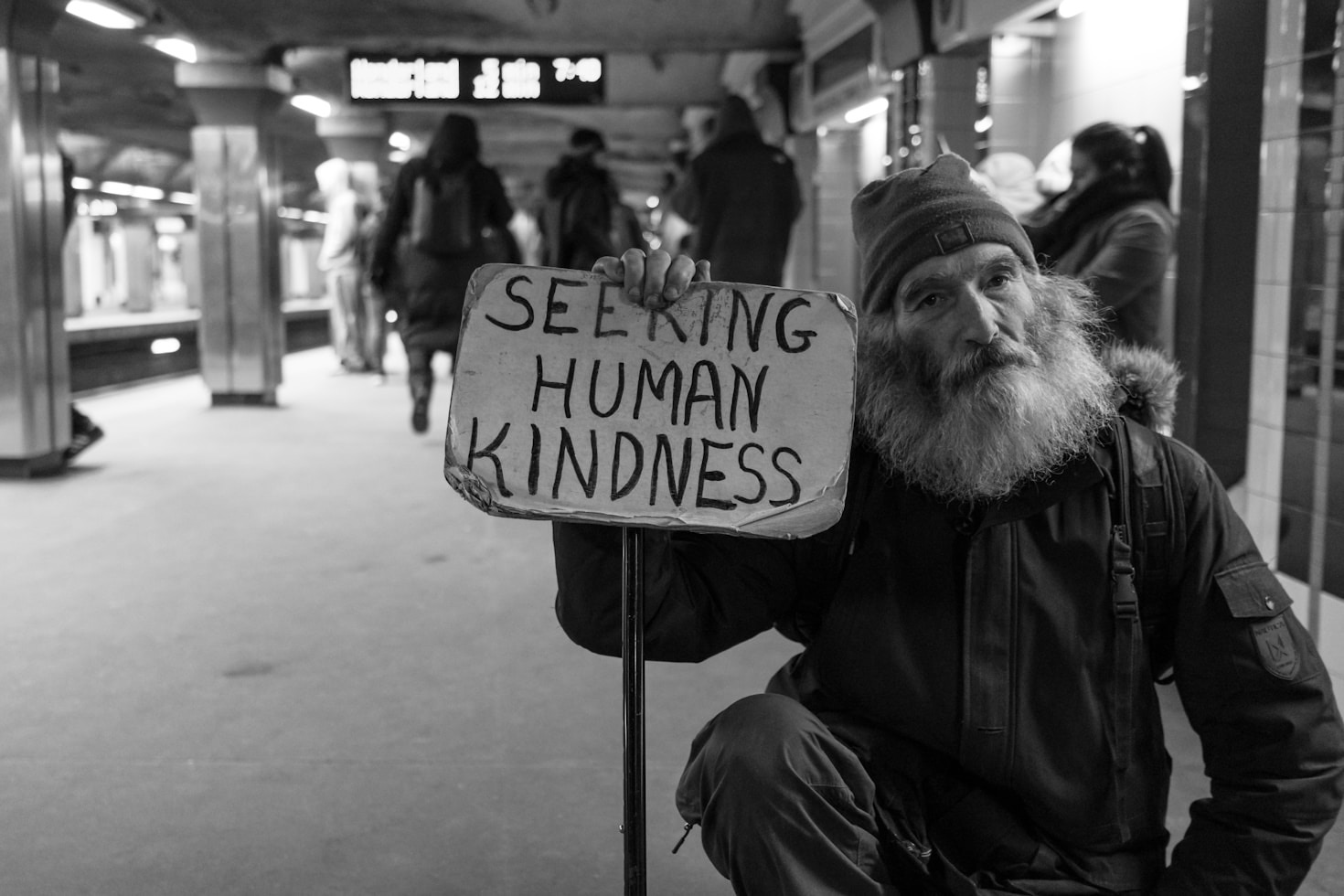
Building a strong community isn’t just about physical proximity; it’s about understanding. Research shows that cross‑cultural empathy bridges emotional and cultural divides, fostering tolerance and reducing prejudice. When we actively seek to understand our neighbors’ experiences, we create a foundation for cooperation.
“Volunteering mediates the relationship between empathy and mental health; people with higher empathy are more likely to volunteer, and volunteering improves mental health outcomes.”

Understanding begins with listening. When we listen to someone’s story without judgment, we communicate that their experiences matter. Studies suggest that empathy encourages volunteering, which in turn benefits both individuals and communities by improving mental health. Volunteering allows us to interact with diverse groups, build relationships and cultivate mutual respect.
Building stronger communities also requires addressing social divides. Applying perspective‑taking and compassionate listening (skills outlined by the Greater Good Science Center) can transform tense conversations into opportunities for understanding. When we identify common goals and shared values, we shift from an adversarial stance to collaborative problem‑solving.
Wrapping Up with Key Insights
- Cross‑cultural empathy reduces prejudice and enhances teamwork.
- Empathy encourages volunteering, and volunteering improves mental health and strengthens communities.
- Listening, perspective‑taking and focusing on shared goals build understanding and cooperation.
Communities thrive when members choose understanding over judgment. Let’s keep building bridges through empathy and shared purpose.
Sources: Healthcare (Basel): Can Empathy Help Individuals and Society?, Greater Good Science Center article on connection
Leave a Reply